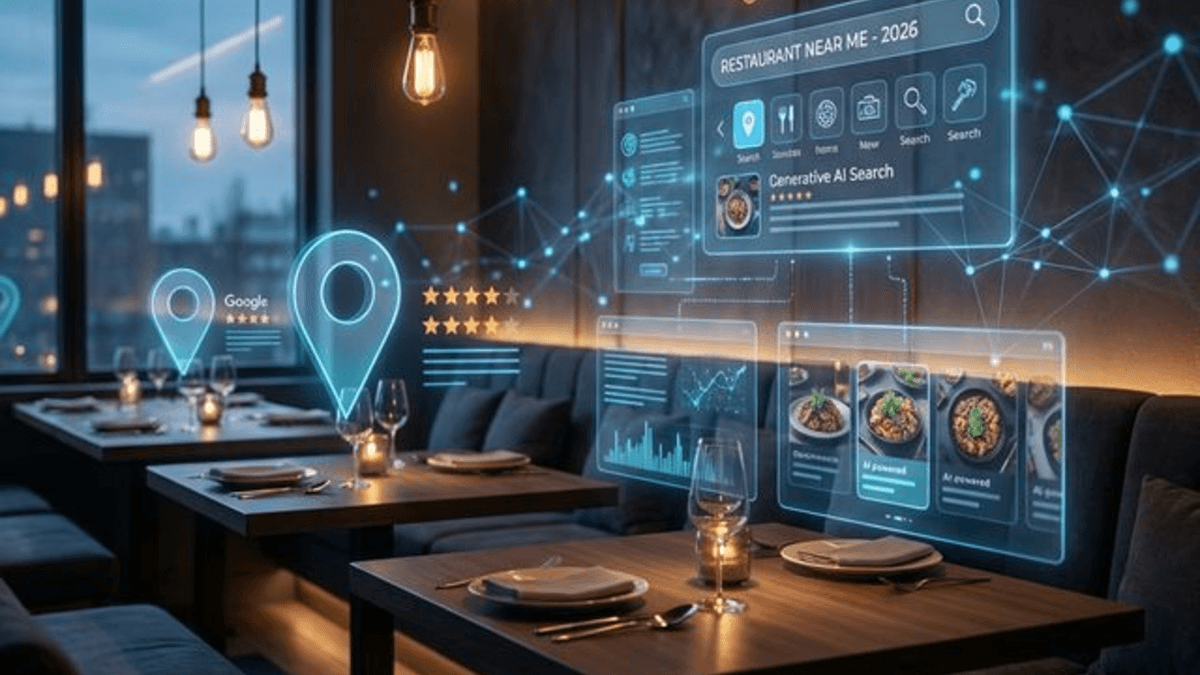
Hospitality is going through a structural shift. If the old battle was about ranking in blue-link search results, in 2026 restaurant visibility increasingly depends on Generative Engine Optimization (GEO).
When a potential customer asks an AI assistant, "where can I eat great pizza nearby?", the response is no longer a list of links, but a direct synthesized recommendation. To be the recommended brand, your restaurant must be interpreted by AI systems as a trustworthy authority.
This guide explains how to adapt your digital strategy for the era of generative search engines.
1. Algorithmic transparency: Bing Webmaster and AI citations
For the first time, we have practical data on how bots evaluate sources. The AI Performance module in Bing Webmaster Tools is critical, especially due to Microsoft-OpenAI ecosystem overlap.
 Fig. 1: Conceptual view of how AI "cites" trusted sources.
New metrics you should monitor
Unlike classic SEO metrics (clicks and rank positions), GEO should track:
- Total Citations: how often your restaurant appears in AI-generated responses.
- Cited Page Diversity: AI may cite specific pages beyond homepage (for example wine menu details).
- Grounding Queries: backend questions AI uses to validate facts. If your site clearly states "private parking in District 1," you become a source for that intent.
💡 Pro Tip: > Immediate action: review Bing Webmaster AI reports monthly. If you are not cited, your site data is likely too generic. Add precise details: ingredients, product origin, exact amenities.
2. Google Business Profile: frequency is the key
Updating your Google Business Profile once per month is no longer enough in 2026. Generative systems show strong recency bias.
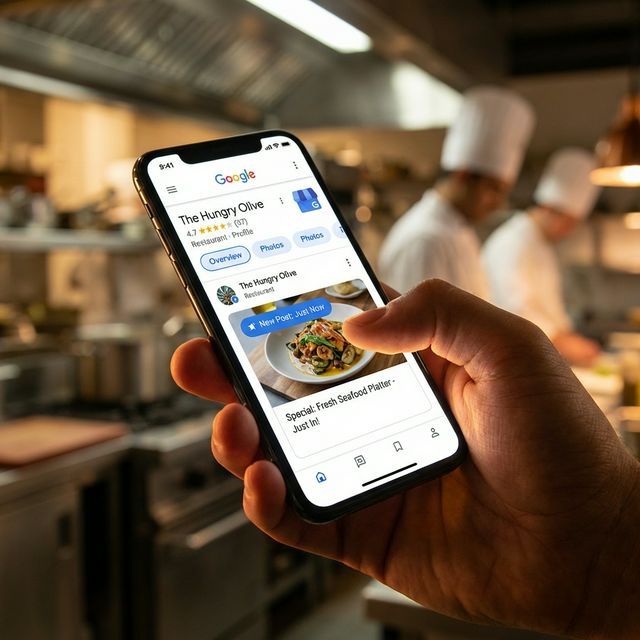 Fig. 2: Frequent updates signal activity and relevance to ranking systems.
GBP execution plan
A "live" profile reduces AI hallucination risk (invented or outdated facts):
- Google Posts: ideally every 2 days. Keep updates practical (daily specials, table availability, event menu).
- Geotagged photos: upload 2-3 real images weekly with descriptive filenames.
- Review responses: answer within 24-48 hours. AI reads these responses for semantic context.
- Weak: "Thank you."
- Strong: "Thank you for appreciating our Black Angus burger and heated terrace."
3. IndexNow: near-instant index updates
Do not wait for periodic crawls. IndexNow (used by Bing, Yandex, and increasingly relevant in AI indexing workflows) enables fast notification when pages change.
If lunch menu pricing changes, you want assistants to reflect it immediately, not next week. Implementation is straightforward through CMS plugins and SEO tooling.
4. Structured data (Schema.org): speak the bot language
Your site can look great to humans and still be ambiguous to AI systems. Schema markup is the semantic layer translating your menu and services.
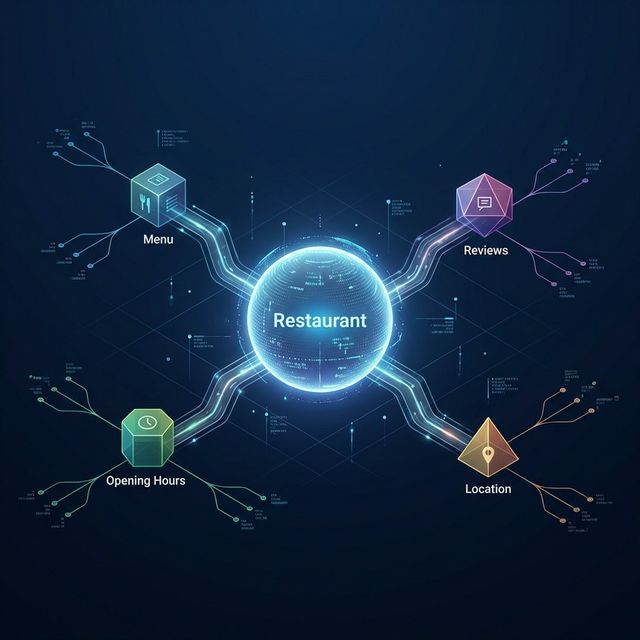 Fig. 3: Structured data graph connecting Restaurant entity to Menu, Reviews, and Location.
Must-have schema fields
- LocalBusiness: name, address, phone (NAP), GPS coordinates, opening hours.
- hasMenu: not just a PDF link; structure menu sections.
- servesCuisine: cuisine type (for example Italian, Traditional Romanian).
- priceRange: clear pricing band.
If you run multiple locations, create dedicated pages per city/location and add specific structured data for each.
5. Authority and E-E-A-T in hospitality
AI systems verify your claims against the wider web graph.
- NAP consistency: name, address, and phone must match across TripAdvisor, Facebook, Glovo, Tazz, and your site.
- Local influencer mentions: one strong local food publication mention is often more valuable than many low-quality links.
- Delivery platform sync: ensure menus on delivery apps match website information.
Conclusion: adapt or become invisible
The move to GEO is not optional. In 2026, customers increasingly interact with AI assistants that deliver direct recommendations.
Winning strategy requires discipline:
- Technical foundation: schema markup + IndexNow.
- Active content layer: frequent GBP updates.
- Authority layer: consistent mentions + proactive review management.
The CreativDigital team can implement this stack for your restaurant. Contact us for a custom AI visibility strategy.